Keeping your home or business comfortable year-round often relies on a well-functioning air conditioning system. While AC units are built to last, they don't last forever, and recognizing the warning signs of a system in decline can save you from unexpected breakdowns and soaring energy bills. Understanding these indicators is key to making an informed decision about replacement, ensuring continued comfort and efficiency for your Rhode Island property with partners like Atlantis Comfort Systems.
Your AC's Age and Frequent Need for Repairs
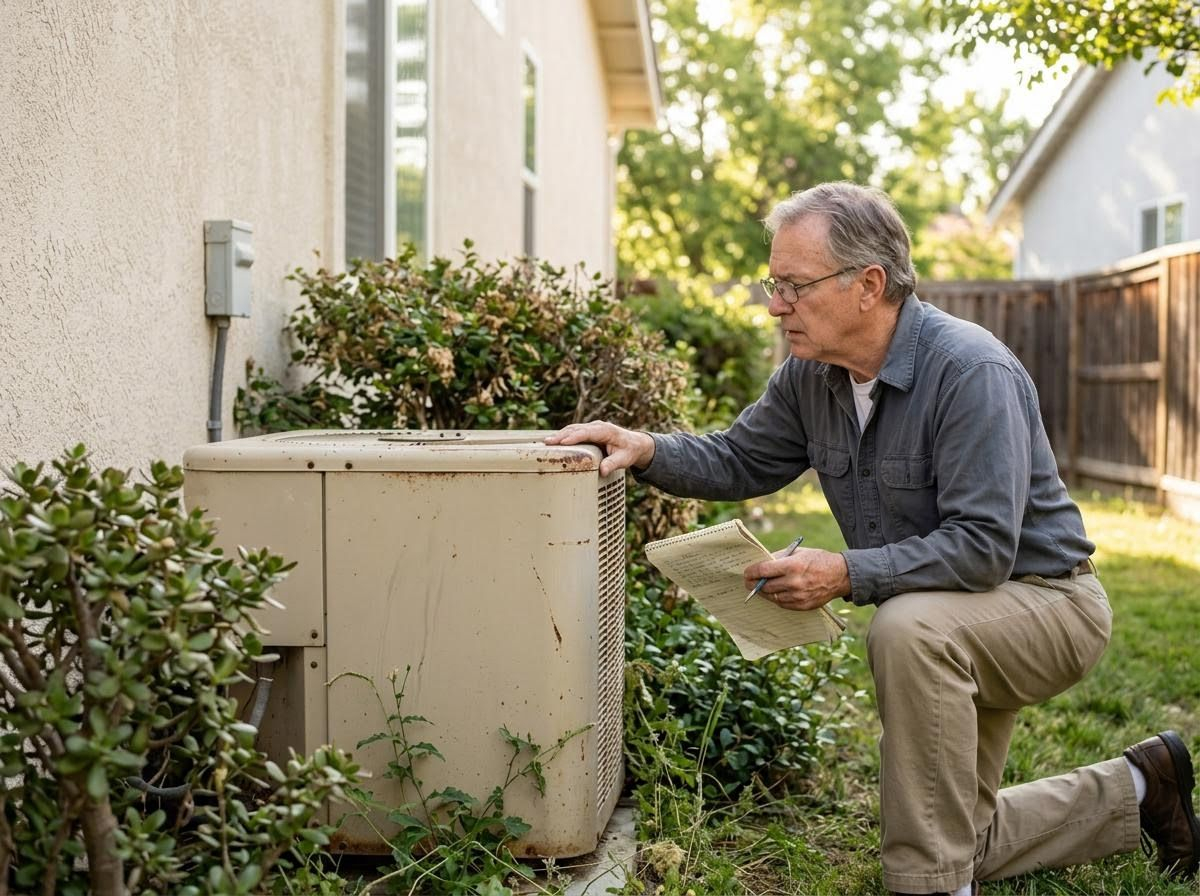
One of the clearest indicators that your AC system might be nearing the end of its life is its age. Most central air conditioning units have a lifespan of 10 to 15 years, though this can vary with maintenance and usage. As units age, their components naturally wear down, leading to a noticeable increase in repair frequency and cost. If you find yourself scheduling repairs multiple times a season or facing expensive part replacements, the cumulative cost might quickly outweigh the benefits of keeping an outdated system. Investing in a new, energy-efficient model can often provide greater long-term savings and reliability compared to pouring money into an old, failing unit.
Soaring Energy Bills and Inconsistent Cooling
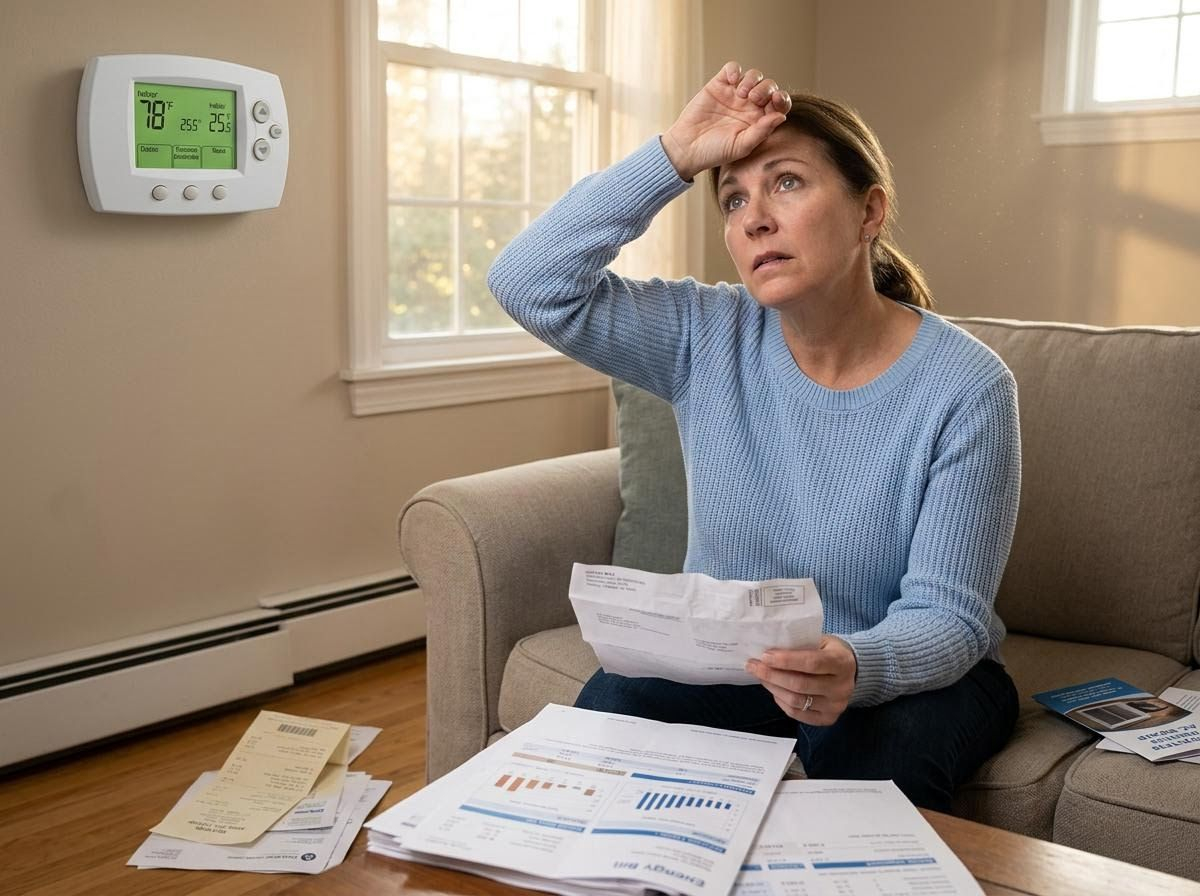
Have you noticed a gradual but significant increase in your monthly energy bills, even when your usage habits haven't changed? An inefficient air conditioner is often the culprit. As AC units age, they lose their ability to cool effectively, forcing them to work harder and run longer to achieve the desired temperature. This struggle consumes more electricity, directly translating to higher utility costs. Additionally, an aging system might struggle to distribute cool air evenly throughout your space, leading to uncomfortable hot and cold spots. If some rooms are perpetually warm while others are chilly, or if your AC runs constantly without truly satisfying the thermostat setting, it's a strong sign that its efficiency has significantly declined. Upgrading to a newer, more efficient model can dramatically reduce your energy consumption, benefiting both your budget and the environment.
Unusual Noises, Odors, and Excessive Moisture
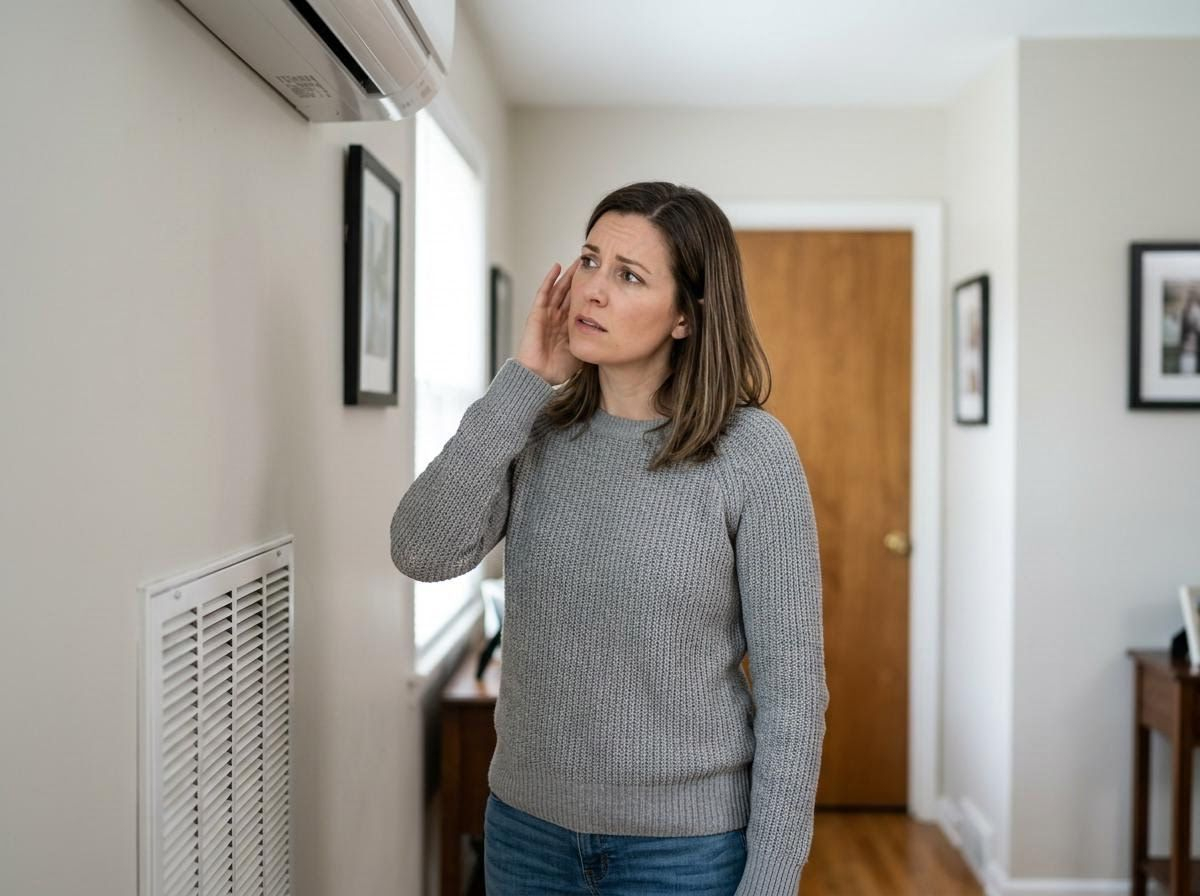
Your AC system communicates its health through various signals. Pay close attention to any new or unusual sounds it makes. Grinding, squealing, banging, or persistent rattling noises often indicate worn-out parts, loose components, or a struggling motor. Similarly, strange odors emanating from your vents, such as a musty smell (which could point to mold or mildew within the system or ductwork) or a burning smell (suggesting electrical issues), are clear red flags. Furthermore, if you notice excessive moisture or pooling water around your indoor unit, it could signal a clogged condensate drain line or a refrigerant leak, both of which require immediate attention and can be signs of a system nearing failure. These symptoms are not just nuisances; they often indicate underlying problems that compromise performance and can lead to more serious damage.
Recognizing these key signs can help you determine if your current air conditioning system is falling short of your comfort and efficiency needs. Whether it's an aging unit requiring constant repairs, inflated energy bills, inconsistent cooling, or unusual operational cues, these indicators suggest it might be time to consider an upgrade. For a thorough assessment and to explore modern, energy-efficient HVAC solutions tailored to your property, we invite you to learn more about Atlantis Comfort Systems' comprehensive heating and cooling services.