
Maintaining a healthy home or business environment starts with the air you breathe, and a critical component in achieving this is your HVAC system's air filter. At Atlantis Comfort Systems, we understand that ensuring optimal air quality and system efficiency is paramount for your comfort and budget. Changing your air filter regularly is one of the simplest yet most impactful tasks you can perform to keep your heating and cooling running smoothly, protect your indoor air quality, and even extend the life of your equipment.
Why Regular Filter Changes Are Crucial
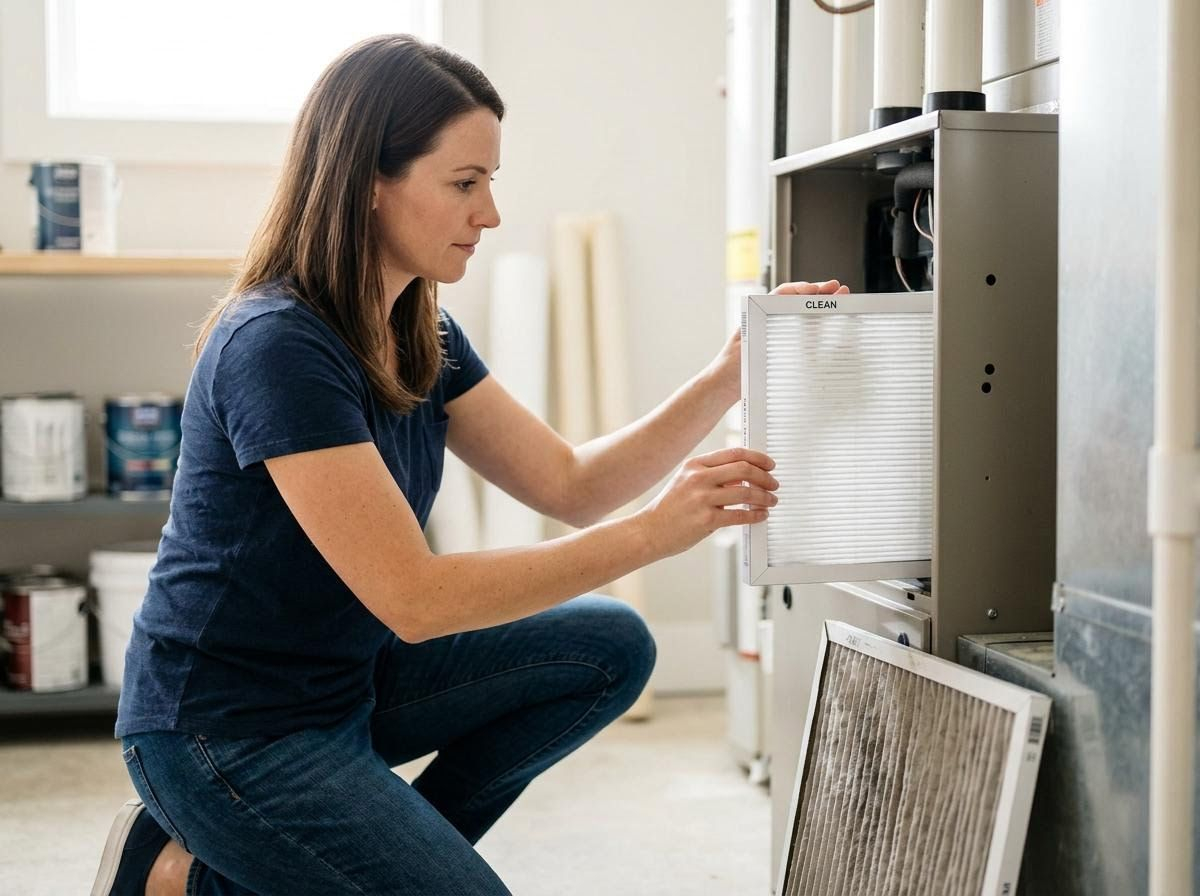
A clean air filter is the first line of defense for both your indoor air quality and your HVAC system's health. Over time, filters accumulate dust, dirt, pollen, pet dander, and other airborne particles, restricting airflow. This restriction forces your system to work harder, consuming more energy and leading to higher utility bills. More importantly, a clogged filter significantly reduces your indoor air quality, circulating allergens and pollutants throughout your space. Neglecting this simple maintenance can also strain your HVAC unit, potentially leading to costly repairs and a shortened lifespan for your equipment. Generally, checking your filter every month and replacing it every 1-3 months is a good practice, though factors like pets, allergies, and the number of occupants might require more frequent changes.
Your Simple Step-by-Step Guide
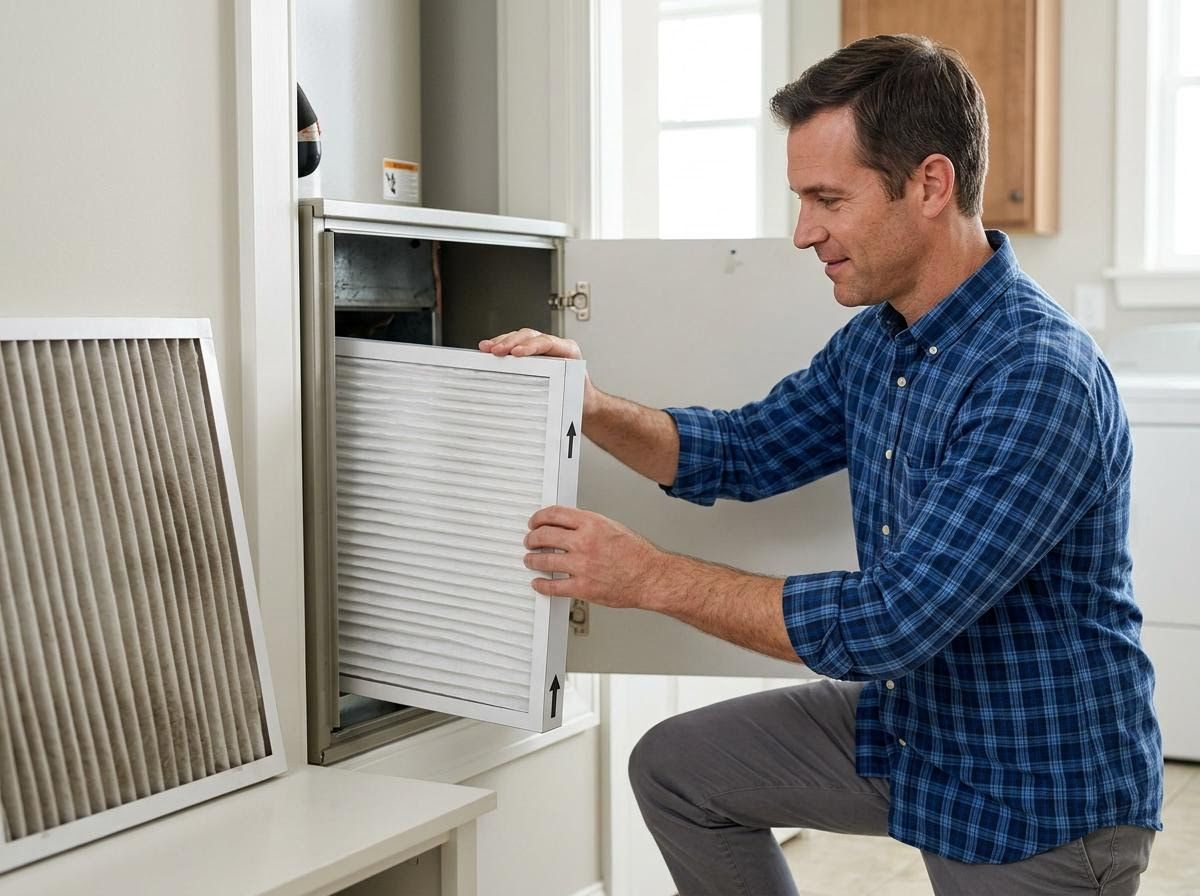
Replacing your HVAC air filter is a straightforward process that anyone can do. First, ensure your HVAC system is turned off at the thermostat to prevent any accidental starts during the change. Next, locate the filter slot, which is usually found in your return air duct or within the air handler itself. Many filters have arrows indicating the proper direction of airflow; pay attention to this as you remove the old filter. Carefully slide out the dirty filter, noting its size (dimensions are typically printed on the filter frame). Insert the new filter, making sure the airflow arrow points in the correct direction (towards the furnace or air handler). Once the new filter is securely in place, close the access panel and switch your HVAC system back on.
Understanding Your Filter Options
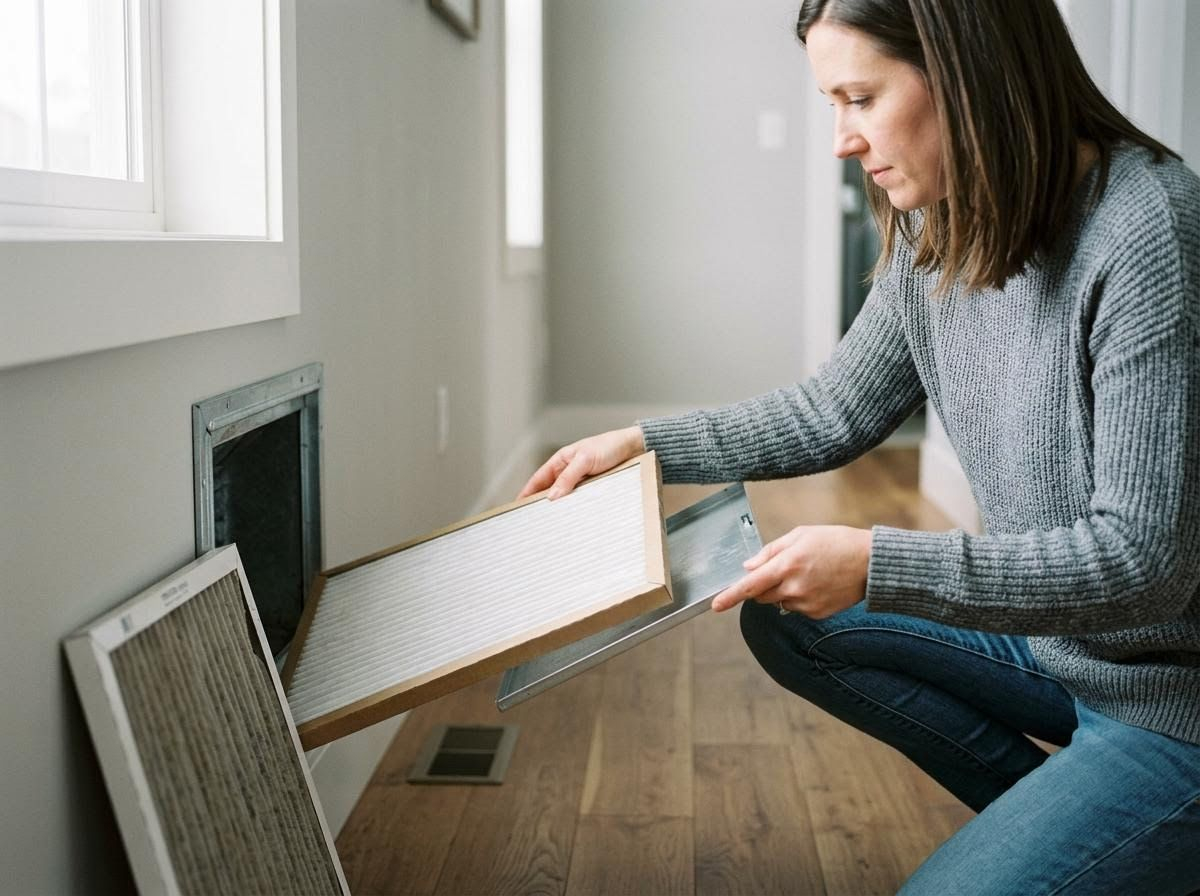
When selecting a replacement air filter, you'll encounter different types and efficiency ratings. The most common rating system is MERV (Minimum Efficiency Reporting Value), which indicates how effectively a filter stops dust and other contaminants from passing through. Higher MERV ratings (e.g., MERV 8-11) capture smaller particles like mold spores and pet dander, offering better air quality but potentially slightly restricting airflow. Lower MERV ratings (e.g., MERV 4) are basic and capture larger particles like dust and lint. For most residential and commercial applications, a MERV rating between 8 and 11 strikes a good balance between air purification and system efficiency. You can choose between disposable pleated filters, which are popular for their effectiveness, or washable filters, which offer reusability but require regular cleaning.
Taking these easy steps to regularly replace your HVAC air filter is a small effort that yields significant benefits for your comfort, air quality, and energy savings. This simple routine maintenance is a cornerstone of a healthy HVAC system, preventing larger issues down the line. If you ever have questions about filter types, optimal replacement schedules for your specific setup, or need professional assistance with your HVAC system, don't hesitate to reach out to Atlantis Comfort Systems. We're here to help you maintain a comfortable and efficient environment.